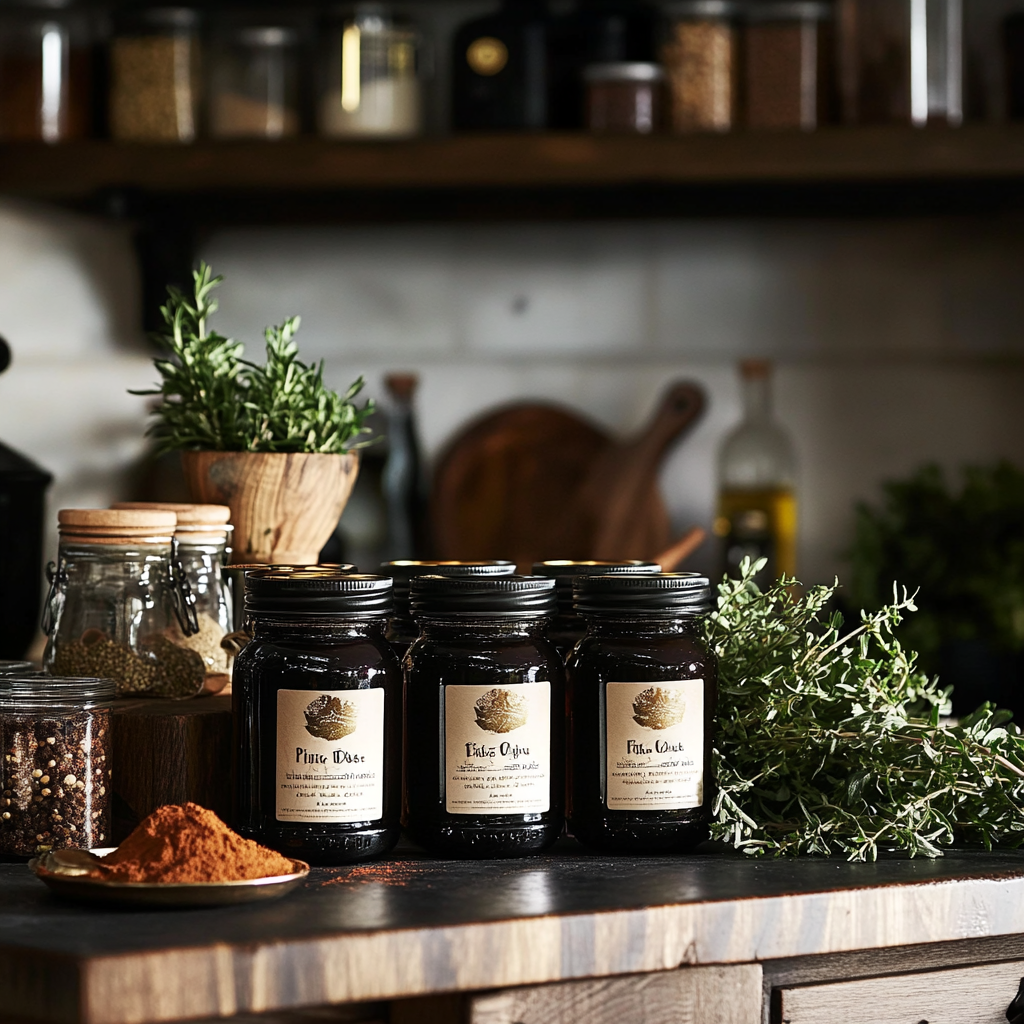
Beef tallow’s smoke point is about 400–420°F (205–215°C). That’s higher than butter, extra virgin olive oil and lard, close to canola and vegetable oil, and well above the 325–375°F used for most frying.
Below is how tallow compares with 10 other cooking fats, what smoke point actually tells you (and what it doesn’t), the right temperatures for frying different foods, and the things that make tallow’s smoke point drop.
Does beef tallow have a high smoke point?
Yes. At around 400°F, beef tallow counts as a high-heat fat. It has enough headroom for deep frying, searing and roasting. It isn’t the highest: refined avocado oil and some refined seed oils go higher. But it reaches that temperature as a single, minimally processed ingredient, while most high-smoke-point oils get there through refining.
Smoke point chart: tallow vs. 10 common fats
| Cooking fat | Smoke point (°F) | Smoke point (°C) | Best for |
|---|---|---|---|
| Beef tallow | about 400–420°F | about 205–215°C | Deep frying, searing, roasting |
| Butter | about 300–350°F | about 150–175°C | Baking, low-heat cooking, finishing |
| Ghee (clarified butter) | about 450–485°F | about 230–250°C | Sautéing, searing |
| Lard | about 370°F | about 190°C | Baking, pan frying |
| Extra virgin olive oil | about 350–410°F | about 175–210°C | Low-to-medium heat, dressings |
| Virgin coconut oil | about 350–375°F | about 175–190°C | Low-heat cooking, baking |
| Canola oil | about 400–445°F | about 205–230°C | Frying, sautéing |
| Vegetable oil (blend) | about 400–450°F | about 205–230°C | General high-heat cooking |
| Peanut oil (refined) | about 450°F | about 230°C | Deep frying |
| Sunflower oil (refined) | about 415–450°F | about 215–230°C | High-heat cooking |
| Avocado oil (refined) | about 500–520°F | about 260–270°C | Very high-heat searing |
These are commonly published ranges, not lab results for a specific product. Smoke point varies with how refined a fat is, how fresh it is, and how the test is done, so treat the numbers as a guide.
What smoke point tells you, and what it doesn’t
The smoke point is the temperature where a fat starts giving off a steady stream of visible smoke. Past it, the fat breaks down faster, tastes burnt, and produces irritating fumes. In practice, it’s the ceiling you want to stay under.
It isn’t the whole story, though. How well a fat resists breaking down while it’s heated, its oxidative stability, matters just as much, especially when you fry for a long time or reuse the fat. Fats that are mostly saturated and monounsaturated, like tallow, tend to hold up better under long heating than fats high in polyunsaturated fats. That’s part of why tallow is popular for deep frying even though some refined oils have higher smoke points. (By USDA data, tallow is roughly 50% saturated, 42% monounsaturated and 4% polyunsaturated fat.)
What lowers tallow’s smoke point
- Reuse. Each frying session breaks down a little of the fat, and the smoke point drops a bit each time. If tallow starts smoking at temperatures it used to handle, it’s time to replace it.
- Food bits and breading. Crumbs left in the fat burn and speed up breakdown. Strain after every use.
- Salt and seasoning. Salting food over the fryer drops salt into the fat. Season away from the pot.
- Poor rendering. Home-rendered tallow that still has bits of meat or water in it smokes sooner. Strain it well and cook off all the moisture.
Frying temperatures by food
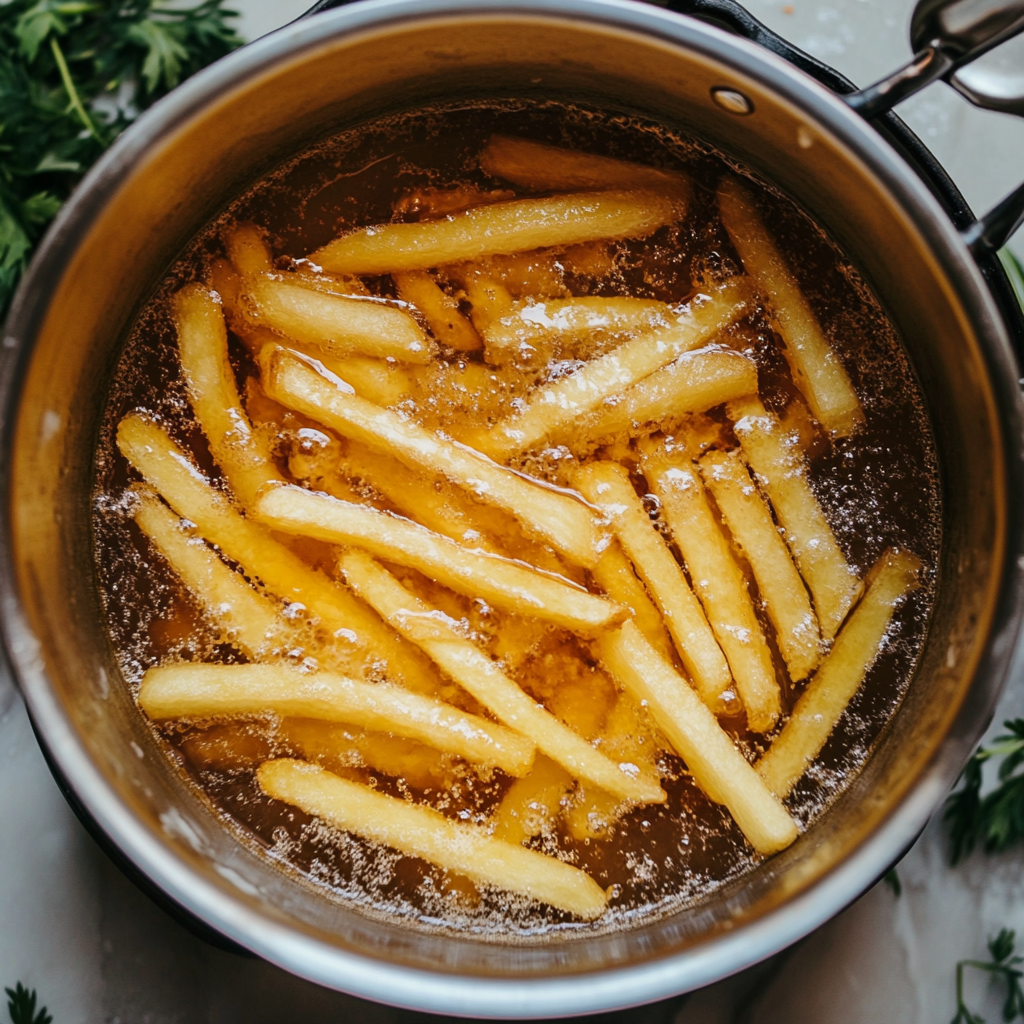
Most frying happens well below tallow’s smoke point:
| Food | Fat temperature |
|---|---|
| French fries, first fry (blanch) | about 325°F |
| French fries, second fry (crisp) | about 375°F |
| Fried chicken, bone-in | about 325–350°F |
| Wings and tenders | about 350–375°F |
| Fish and tempura | about 350–375°F |
| Searing steak in a pan | hot pan, fat just shimmering |
Use a thermometer and keep the fat under its smoke point. If it starts smoking, turn the heat down.
Wondering how much tallow your fryer needs? LeRoy’s Rocky Mountain, the company that owns this site, has a guide to frying with beef tallow with amounts by fryer size and how to strain and reuse it.
Tallow vs. specific fats
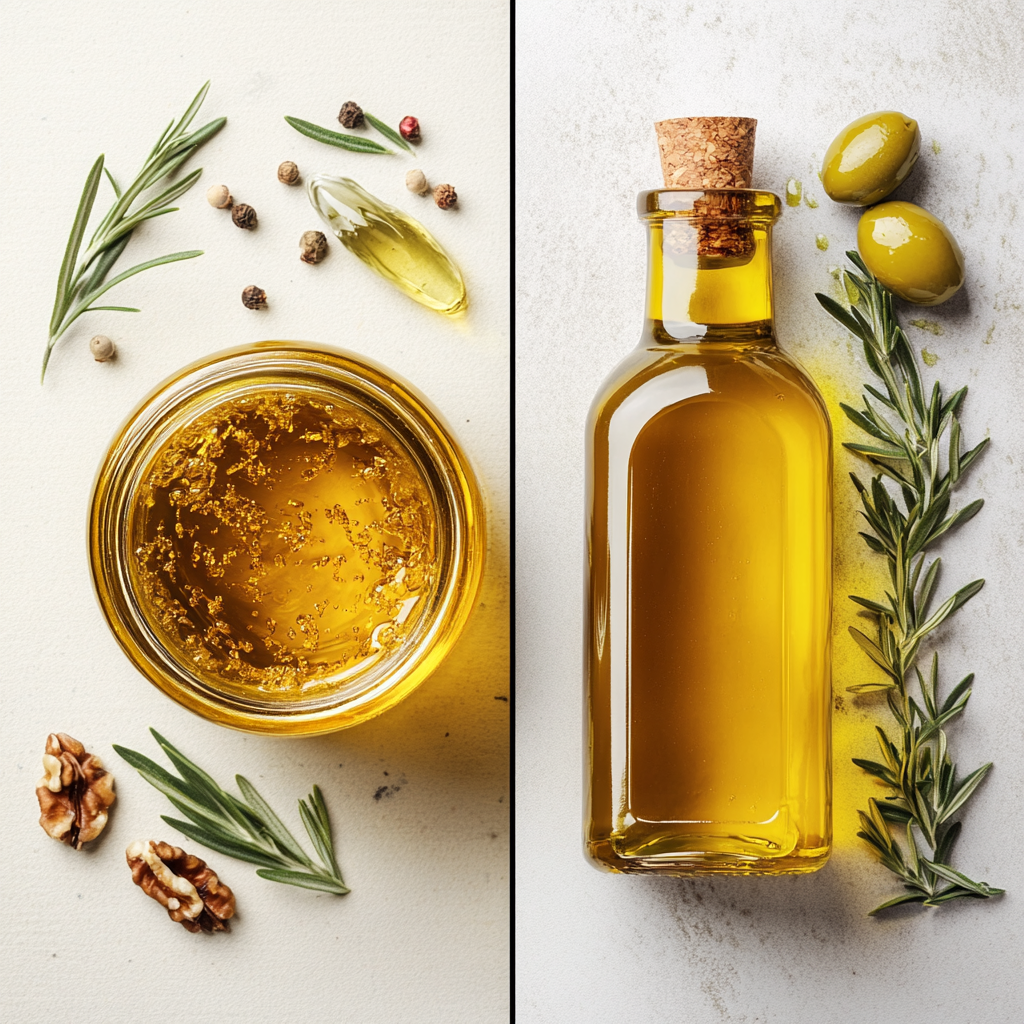
Tallow vs. olive oil: Extra virgin olive oil’s smoke point varies widely (about 350–410°F) and its flavor fades with high heat. It’s better for dressings and moderate-heat cooking, while tallow suits deep frying. See our full tallow vs. olive oil comparison.
Tallow vs. avocado oil: Refined avocado oil has a higher smoke point (about 500°F+), but costs much more for frying volumes. Unrefined avocado oil smokes far lower.
Tallow vs. butter: Butter’s milk solids burn at around 300–350°F, so it’s better for flavor than for high heat. Ghee removes those solids and goes much higher. More in beef tallow vs. butter.
Tallow vs. lard: Lard (pork fat) smokes a little lower, at about 370°F, and is softer and milder, which makes it a favorite for pastry. See tallow vs. lard.
Frequently asked questions
Is beef dripping the same as tallow?
Close. “Dripping” is the fat that renders out of roasting beef, often with some meat juices and browned bits, so it’s less pure and smokes sooner. Tallow is rendered and strained to be pure fat.
What happens if beef tallow goes past its smoke point?
It smokes, tastes bitter and breaks down faster. Turn the heat down. If it smokes heavily, let it cool and replace it. Never leave smoking fat unattended.
Can I reuse tallow after frying?
Yes. Let it cool, strain out the food bits, and store it covered in the fridge. Replace it when it darkens a lot, smells off, foams, or starts smoking at lower temperatures.
Can I bake with beef tallow?
Yes, it works well in savory baking like biscuits and pie crusts, where it gives a flaky texture.